• Skip to primary navigation
  • Skip to main content
  • Skip to footer

Teaching in Higher Ed

  • Podcast
  • Blog
  • SPEAKING
  • Media
  • Recommendations
  • About
  • Contact

Being Known: Conditions for Flourishing in Learning + Teaching

By Bonni Stachowiak | February 9, 2026 | | XFacebookLinkedInEmail

branches of bright pink flowers in a tree

Dave sent me his notes from an evening event at our kids' school about college preparation. Mind you, neither of our kids have entered high school yet. Things are certainly different from when I was preparing for college.

Our son is helping me digitize the last huge lateral file cabinet of documents from my younger days. These files contain everything from class notes written in cursive from my undergraduate classes to printed papers with handwritten feedback from professors. I'm having all these flashbacks of particular professors and coursework and the ways I was shaped by all of these experiences.

A single page with four short paragraphs, was mixed in with old brochures and catalogs. As soon as I noticed it wasn't exactly five paragraphs, my mind flashed to John Warner's *Why They Can't Write: Killing the Five-Paragraph Essay and Other Necessities* and how proud he would have been that I hadn't adopted the commonly-used structure. That said, I'm not sure this was my greatest piece of writing, or that John would have been proud of much else. It got the job done, however. The document was written during my senior year of high school and contained my college essay. I applied to a single university, the same university my parents had attended. I had visited a few times that year, since a friend who was a year ahead of me was enrolled.

Contrasting the relative lack of effort put into my school selection process with what many young people go through today is wild. Given that the first college-related event has already commenced at our kids' school, I figure that I probably am going to need to continue to adjust my thinking and understanding of what it looks like today to pursue higher education.

Friends who have children older than ours have vividly described how stressful the process can be of walking alongside young people during the college application process. I also understand that today's supposed measures of quality don't hold up very well to scrutiny. Prestige and selectivity may dominate the conversation, but I’m increasingly drawn to questions about belonging, mentorship, and growth.

Brennan Barnard has advice regarding The Question Every College Applicant Should Ask. As a college counselor, he chronicles his visits to ten college campuses over six months and is most interested in the answer to a key question:

How easy is it for a student to be known here? You can see that in class sizes, advising structures, and whether students can quickly name an adult who’s made a difference in their experience.

The more I sit with that question, the more it feels like a proxy for something deeper: whether an institution creates the conditions for students to flourish. I finished reading Flower Darby's latest book last night, in preparation for an upcoming interview with her. In The Joyful Online Teacher: Finding Our Fizz in Asynchronous Classes, Flower quotes Denise Maduli-Williams from San Diego Miramar College, who describes the unique opportunities she has in her online classes to build relationships with students. Denise shares:

I feel like I know my online students better than my in-person students. I have more interactions with them, they get to know more about me through the types of activities we do, and I’m able to individualize content, links, and resources for differ­ent students’ needs.

That sentiment resonated with me, as I considered how many more students' dog names I know, when they take online classes with me. I find fewer students have cats, but one last semester had a guinea pig (who sadly passed away during our semester together). I also know where they work, what music they're into, and the nervousness they feel about their upcoming job interview. Those kinds of interactions aren’t incidental. They’re structural. They create the conditions in which students can take risks, feel supported, and grow.

My role as an educator is centered on knowing students, as well as helping them feel like they matter. As a parent, I'm going to make sure to ask how easy it is for a student to be known at the various places we might explore. On my reading list will be Jeff Selingo's Dream School: Finding the College That's Right for You, or at the very least, I'll explore whether it might be a good resource for our kids. My goal will be to not get overly swept up in other factors that turn out to be poor proxies for what truly matters: whether a place cultivates the conditions for students to thrive.
Filed Under: Teaching

SIFT + AI for Fact-Checking: What I Learned Testing a Claim About Nursing Pay

By Bonni Stachowiak | February 8, 2026 | | XFacebookLinkedInEmail

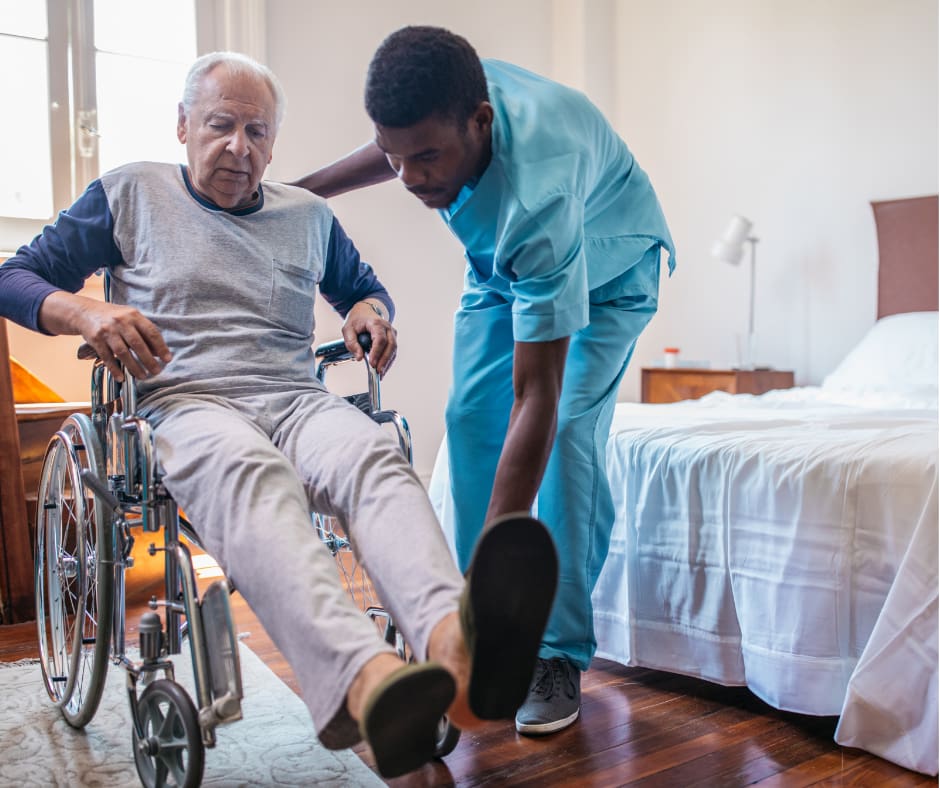
Male, African American nurse assists a patient in a wheelchair

I used to be among the people who thought that privacy wasn't really much of a thing to be overly concerned about. What did I have to hide anyway? What did “good” people have to hide if what they're doing is all on the up and up? I hope I don't lose potential readers with the naiveté of that mindset. I have very much changed my mind over many decades now and do what I can to help students, friends, family members, and anyone who might otherwise be persuaded by what I share through my podcast and writing to recognize the issues surrounding privacy that affect all of us and what it means to be a free nation.

I was listening to The Ezra Klein Show, as he discussed the “internet none of us asked for” with two experts matters of ethics. I'm teaching business ethics right now, so my ears were perked even more than they might have otherwise been. The episode is titled: We Didn't Ask for This Internet and features Cory Doctorow and Tim Wu. From the episode description:

Ragebait, sponcon, A.I. slop — the internet of 2026 makes a lot of us nostalgic for the internet of 10 or 15 years ago.

What exactly went wrong here? How did the early promise of the internet get so twisted? And what exactly is wrong here? What kinds of policies could actually make our digital lives meaningfully better?

Cory Doctorow and Tim Wu have two different theories of the case, which I thought would be interesting to put in conversation together. Doctorow is a science fiction writer, an activist with the Electronic Frontier Foundation and the author of “Enshittification: Why Everything Suddenly Got Worse and What to Do About It.”  Wu is a law professor who worked on technology policy in the Biden White House; his latest book is “The Age of Extraction: How Tech Platforms Conquered the Economy and Threaten Our Future Prosperity.”

In this conversation, we discuss their different frameworks, and how they connect to all kinds of issues that plague the modern internet: the feeling that we’re being manipulated; the deranging of our politics; the squeezing of small businesses and creators; the deluge of spam and fraud; the constant surveillance and privacy risks; the quiet rise of algorithmic pricing; and the dehumanization of work. And they lay out the policies that they think would go furthest in making all these different aspects of our digital lives better.

I thought that a claim made during this episode would be a good one to use in my continued efforts to grow my own information literacy, as well as to pass on what I can to the faculty and students I get to teach and learn alongside…

The Claim: Contract Nurses Are Discriminated Against, Based on Their Likely Desperation to Accept Lower Pay

When I teach Mike Caulfield's SIFT framework, one of the most challenging hurdles for students is to be able to assess the claim being made. They often think that the article's headline is the claim. In this example I'm using today, there's the claim that was made, combined with my feelings about what I was hearing (or what I interpreted being said, as I listened to the podcast, in the middle of doing other things).

Here's how I remember the claim:

Contract nurses are discriminated against, based on their likely desperation to accept lower pay. Their credit scores and other indicators of just how desperate they might be to take less compensation than someone else competing for the same job allow potential employers to discriminate against them or otherwise game the system toward a race to the bottom for pay.

While listening, I was in the middle of cleaning out our refrigerator and had my hands covered in muck, so wasn't able to capture the notes of this scholar and her work. Once I got back to my computer, I was able to find the name of the researcher they mentioned (Deborah Rhode). Tim shared an examples from her scholarship regarding the ways in which nurses' financial data is mined and analyzed to predict for how low a wage they will accept on an hourly contract type of arrangement.

Two Methods of Fact Checking

I thought it would be helpful to document the process I would go through of fact checking this in two ways:

  1. Using the SIFT fact checking framework
  2. Via Mike Caulfield's emerging “Critical Thinking/Doing with AI” experimentation

So two ways of assessing how likely it is that what I heard was true. I am going to start with SIFT and then move on to the AI tools that Mike Caulfield has been working on.

Fact Checking the Claim via SIFT

If you're not familiar with the name Mike Caulfield, he created the fact checking framework known as SIFT. Here's what that might look like in testing this claim:

  • STOP // “S” stands for stop, as in we shouldn't immediately pass on what we hear when we're listening to the Ezra Klein show with our hands covered in food waste. We should hang on to a moment and wait to see if it is actually accurate.
  • INVESTIGATE // The “I” stands for investigate the source. In this case, I would be thinking about Ezra Klein and his podcast and fact checking process done by the New York Times. They credit a fact checker for the podcast. I don't know much about that process, but I just know in the credits, they always list a person as well as the researcher themselves that was mentioned.
  • FIND // “F” stands for find trusted coverage. So I would want to be looking at other news organizations and what they may have shared to support the claim of nurses being discriminated against in this way regarding their compensation.
  • TRACE // And finally, T for trace back to the original source. In this case, I imagine the researcher would be fairly easy to find and would be likely to have done quite a bit of scholarship assessing this claim.

If you would like to see me walk through how I approached this fact checking using SIFT, watch the Using Mike Caulfield's SIFT Framework to Test a Claim About Wage Discrimination Against Nurses video on the Teaching in Higher Ed YouTube channel.

Watch: Using Mike Caulfield's SIFT Framework to Test a Claim About Wage Discrimination Against Nurses

Some of the resources and references mentioned include:
  • Mike Caulfield's Get it in, track it down, follow up: Critical thinking with AI YouTube Channel
  • Play: Save Videos Watch Later app
  • AdFontes Media Bias Chart
  • Nurses whose shitty boss is a shitty app: “Uber for nurses” is even worse than it sounds, by Cory Doctorow
  • Uber for Nursing: How an AI-Powered Gig Model Is Threatening Health Care (2024), by Katie J. Wells & Funda Ustek Spilda
  • Wikipedia: Ezra Klein
  • Stanford Law School – In Memoriam: Deborah L. Rhode
  • NYT: The Ezra Klein Show – We Didn't Ask for This Internet (gift article)

Fact Checking the Claim via Mike Caulfield's Critical Thinking/Doing with AI Experimentation

Some of you may know that Mike Caulfield has been experimenting with what artificial intelligence can and cannot currently do when it comes to our fact checking efforts. The short version is that the standard AI response that comes as a result of a Google search with a question mark after it, the AI summary, if you will, is not particularly good at an individual's fact checking efforts. However, he has built a custom GPT and other tools that put some parameters around the prompts and he also encourages us to have more of a back and forth as we consider our own pursuit of knowing if what we are looking at is what we think we're looking at and whether or not it is accurate.

This is the second of two videos exploring different approaches to fact-checking a claim I heard on The Ezra Klein Show (“We Didn’t Ask for This Internet,” featuring Cory Doctorow and Tim Wu). In the first video, I used Mike Caulfield’s SIFT framework. In this one, I experiment with his emerging work on how artificial intelligence can — and cannot — support fact-checking.

Watch: Fact-Checking w/ AI: Testing Claims Using Mike Caulfield’s New Critical Thinking with AI Approach

Some of the resources and references mentioned include:

  • Kagi
  • Gig Economy in Nursing, by Riya Parth Shukal & Urmila Ravliya
  • Algorithmic wage discrimination on Wikipedia
  • The End(s) of Argument, by Mike Caulfield
  • SIFT for AI: Introduction and Pedagogy, by Mike Caulfield
  • NYT: The Ezra Klein Show – We Didn't Ask for This Internet (gift article)
  • Mike Caulfield's Get it in, track it down, follow up: Critical thinking with AI YouTube Channel

Learning Out Loud

As I wrap up this post, I'm reminded of how challenging we can make it for ourselves when we commit to a life filled with learning out loud (or maybe that's just me?). I'll admit that part of why I went down a less-than-helpful rabbit trail not once but twice was because I am afraid of looking foolish (or dare I say outright wrong?) in my experimentation with this stuff.

Mike Caulfield reminds us that we should always remember what our aim is in our fact checking and overall information literacy efforts. In this case, I'm an average person who knows hardly anything about how nurses are paid (except for at the university where I work). I'm pretty much the perfect candidate to kick the tires on these tools and resources to see what it looks like when we check claims we see online (or, in this case, hear on a podcast).

My goal is to equip others to be better able to assess if what they're looking at is what they think it is and to determine the credibility of what's being shared. Given how quickly AI is changing the fact-checking landscape and the consequences of living in a society in which lies are so blatantly propagated, continuing to get better at this stuff and share with others seems an important and necessary thing to do.


Filed Under: Personal knowledge mastery

Choosing Rhythms of Consistent, Predictable Joy

By Bonni Stachowiak | January 3, 2026 | | XFacebookLinkedInEmail

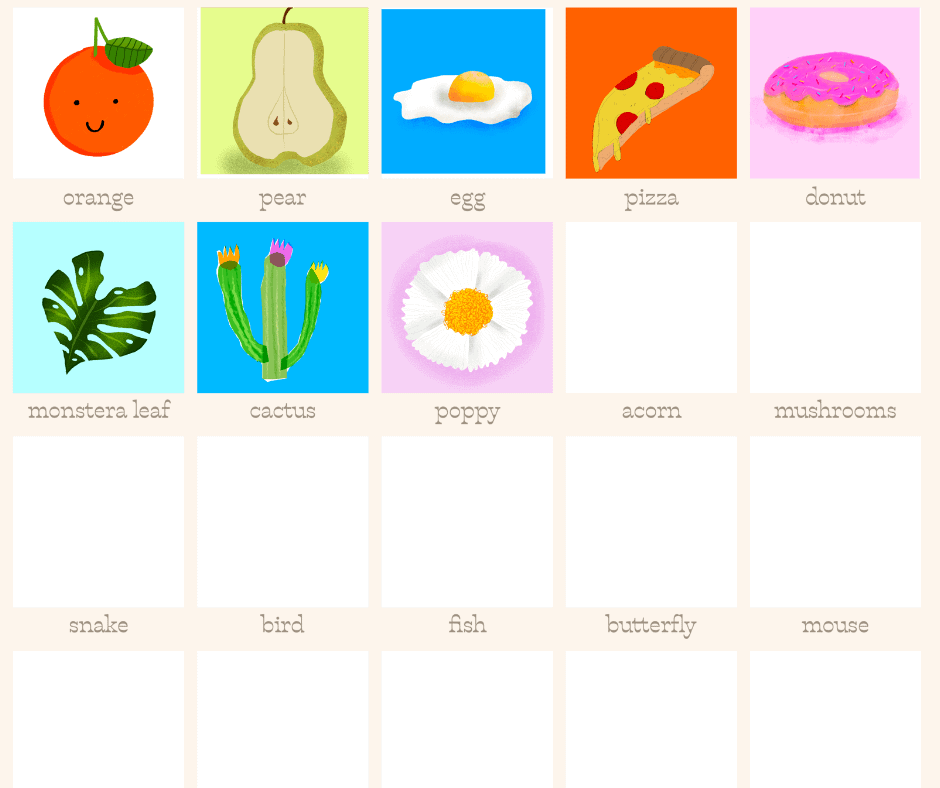
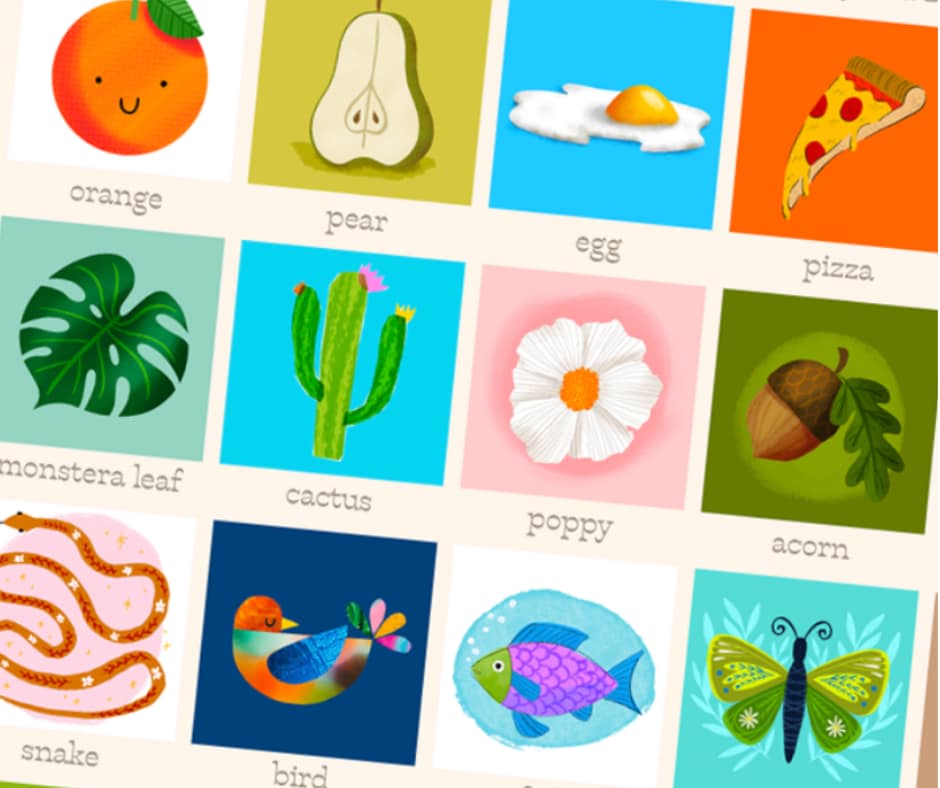
Grid of various colorful drawings using the Procreate app on the ipad, including an orange, pear, fried egg, pizza, plants, and a moth
These are the drawings from the instructor. Look lower in the post for information about the course she teaches, plus to see my drawings, as they are emerging….

I don't want to throw any shade on people who enjoy setting goals for yourselves in a new year. Hooray to Taylor Kay Phillips, who took over Lyz Lenz's Dingus of the Week post this time, and said that she wants New Year's Resolution Wet Blankets to settle down and let other people have their things. This year, one reflective approach that is resonating with me immensely this time around comes from Robert Talbert, in the form of his My Start/Stop/Continue for 2026 post. CW: He's a bit down on resolutions in the beginning, but if you're a big fan of setting them, just skip to his Start section about Going Analog and enjoy seeing what he's up to…

Start: Creating with Regularity

Through an impulse purchase via Instagram advertising, I bought a year-long membership to the Art Makers Club at the tail end of the year. This all started with our son asking if he could participate in our revised advent plans for the holiday season (my goodness did our first attempt ever fail miserably) by doing digital art, instead of the watercolor the rest of us were doing. He likes using Procreate and mentioned offhand that it was one of those kinds of apps that you buy once (as in I/we already own it), which didn't become relevant until weeks later, when I considered this purchase.

My Art Makers Club purchase didn't start with an entire year, but rather a highly structured course. The Kickstart Your Creativity with Procreate got me excited from the premise. I'm a huge fan of being able to track my progress toward goals, so the included progress tracker was super appleaing to me. Wait a second? I get to take 15-20 minute tutorials from an encouraging, down-to-earth, clear communicator and learn to actually use an app I already own instead of continuing to gather virtual dust, like I had been? And I get to save my various drawings in the form of a tracker all along, so I can see how far I've come and where I'm going?

That was the hook, but it kept getting better from there. I also got a second Kickstart Your Creativity Course to go with it. But wait. There's more. A ton of other courses, such as:

  • Imaginative Map-Making in Procreate
  • Getting Started with Procreate Dreams: Animation for Everyone (ever since seeing Mike Wesch's very first animation video 10+ years ago: The Sleeper, I've dreamed of learning animation)
  • Easy, Eye-Catching Animations in Procreate
  • Realistic Paper Cut Illustrations in Procreate

There are ~5 other full length courses and then a bunch of previously-recorded live sessions, the opportunity to be a part of a community of people going through the courses, etc. I have now drawn from the orange through the poppy, as of January 3, 2026, not too shabby a result of a person who hasn't really taken art classes before.

An unfinished grid of drawings... Created drawings include an orange, pear, fried egg, and some plants... there are still about 17 drawings to go on the tracker
Here is my progress tracker so far for the course… I love how I can so easily see where I've been and where I'm headed. Those who know me well will know how excited I am to get to the bird!

Depending on how you define art, of course…

I also had bought one copy of Daily Drawing Prompts: A Year of Sketchbook Inspiration, by Jordan DeWilde for my Mom for Christmas and “accidentally” ordered a second copy for me. 😂😇 It has provided supplemental opportunities for reinforcing some of the skills I'm learning through the more structured courses.

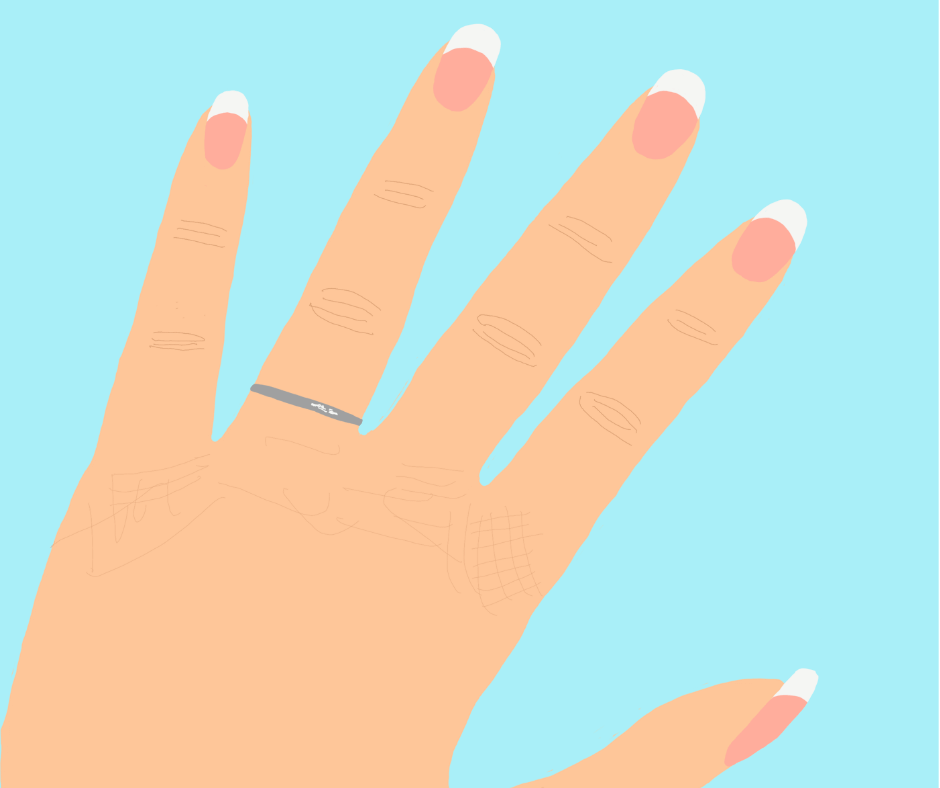
Tracing of a woman's hand, with a silver wedding band on the ring finger
This was the first exercise in the book… to trace your hand and then add in details, like jewelry, etc. My hand does not look this young in real life, but if you look closely, you can tell that I at least tried to draw in the wrinkles.

As excited as I clearly am about these drawing resources, I want to keep my definition of regular creation broad. Alan Levine recently shared his reflections on having achieved an entire year of capturing daily photos throughout 2025. He has previously been such an inspiration for me in those years when we don't quite check every single box that we had hoped to… as in those years when he didn't quite get to 365 days/photos. Still, it was fun to see him share stories of what his daily photo habit looked like in 2025 and in years past.

I don't want to say up front that I'm shooting for a daily goal. My streaks habits seem to be multiplying and I don't want to put too much pressure on myself. As of today, I've used the Bend App to support 280 days of stretching. However, they let you “reset” your streak, once you've been consistent with it. So somewhere around 4-5 days, I missed stretching. But the following day was able to restore my streak without resetting the counter. I would love something like that for my daily create goal that is emerging, but I also am not inclined to figure out a whole system at this exact moment.

Stop: Checking Work Email on My Mobile Devices

This is one of those “I should 100% know better” things. I've gotta stop checking my work email on my mobile devices. One reason has to do with overall productivity. In The Extended Mind: The Power of Thinking Outside the Brain, Annie Murphy Paul describes the benefits researchers found of working on a large display (versus on a laptop or mobile device):

When using a large display, they engaged in higher-order thinking, arrived at a greater number of discoveries and achieved broader, more integrative insights. Such gains are not a matter of individual differences or preferences, Ball emphasizes; everyone who engages with the larger display finds that their thinking is enhanced.

Before reading The Extended Mind, I always felt like I worked more effectively at either of my two big-screen set ups (home and work offices), but Murphy Paul uncovered a number of researchers exploring this hypothesis much more soundly than my anecdotal evidence. I just feel better and more able to focus in constructive ways when I'm engaging with my work via a large monitor.

Another reason I don't want to keep doing this in 2026 is just that it tends to get me feeling all the negative feels during a time when I'm not going to proactively going to be able to dig in with problem solving or attempts to communicate about issues. If an email is going to evoke a sense that things aren't right in a particular context, why not wait until I'm “in the saddle” and ready to “ride” toward a resolution vs stewing in the frustration needlessly. I don't get that many emails that make me angry, by the way. I've got it pretty darn good in that department. But even if it is just an email that is going to require some kind of follow up, I tend to delay taking any steps toward moving forward until such time that I'm back at my computer. Why not just enjoy the time more in whatever context I may have been in when I succumbed to the temptation to just “dip my toe” into my work email to “check in”.

As I prepare to live into this commitment (once again, as I have failed at this in the past), I will revisit Robert Talbert's Grand Unified Theory of Academic Email: Fixing the Missing Piece of the Clarify Process, as he helps those of us who may have a tendency to over-function to ask ourselves if whatever may have bubbled up in our email is actually ours to do something with… I would probably do well to re-listen to Brené Brown's Unlocking Us Podcast Episode: On Anxiety, Calm, and Over-/Under-Functioning. And Karen Costa's conversation with me on Episode 505: How Role Clarity and Boundaries Can Help Us Thrive.

Rinse and repeat. I feel a playlist coming on…

Continue: Finding Times to Go to Jazzercise with My Mom

Speaking of playlists, I've been having a bunch of opportunities to find great workout music, since I've been driving to Oceanside a number of times each week during this holiday break. If you've been listening to Teaching in Higher Ed for more than a couple of years, you may have “met” my Mom back on Episode 462: Teaching Lessons I Learned From Mom. During the episode, I read her a column I wrote for EdSurge about her: Teaching Lessons I Learned from Mom and then reflected with my mom on the death of her sister, Judy.

It takes ~45 minutes to make the drive from where I live to the Oceanside Jazzercise location where my Mom takes classes. The class, itself, is an hour, and then it's another hour to say my goodbyes and get back home. Yes, that's three hours anytime I go take a class with her. However, I've been telling myself that if I set a goal to take a class with her once or twice a month, during regular work weeks, and then a few times a week when we are on Spring break, that it would quickly add up to a whole lot more joy in my life. I rarely take lunch breaks at work, though I do often go for walks during the day with work friends (and sometimes former students, etc.). I'm having this inner dialog with myself about how much time I would actually “lose” from work if I were to keep this commitment vs what I would “gain” from the experiences.

Lest anyone reading this feel like you want to “fix” my stinkin' thinking on this front and tell me stories about how much time you wish you still had with someone you've lost… you may be somewhat relieved of your duties to know that I've already put some things in motion toward this idea. Kerry Mandulak (who has been on Teaching in Higher Ed a couple times before) was down in Oceanside with her family this past week and we hung out together after I went to Jazzercise with my Mom. She raved about the Airbnb where her family was staying. I've already booked one in the same complex for Spring Break and blocked out four opportunities to join my Mom for Jazzercise that week.

Two women smile together with an Airbnb in the background
What a joy is was getting to spend some time with Kerry during her family's trip to Oceanside.

I'm headed down to the Lilly Conference on Tuesday and will stop and do a class with her on the way down. At this point, I just need to block a few more times in my calendar for Spring 2026 and I'll have just the structure I need to turn this all into a reality and a bunch of memories with my Mom… That, plus an ever-growing playlist of energizing workout songs…

Related Goals

Robert Talbert mentions how poorly people, in general, tend to do with our resolutions. However, on my goal-setting, I tend to do ok, much of the time. To that end, I plan on continuing a few other things throughout 2026. I commit to:

  • Read at least 24 books (connect with me on StoryGraph, if you want to see how that's going and what I'm reading)
  • Keep stretching daily using the Bend App
  • Continue closing my Apple Watch rings (currently at an 845 days streak, which kinda scares me a bit, just because I think occasional breaks are ok and even healthy to take)
  • Apply to present at a conference at another country with a couple of collaborators and see if we're successful at getting to share our work in an entirely difference context than I will have ever experienced in my life (and I used to travel a ton for work in my younger days, so that's saying something)
  • Air an episode of Teaching in Higher Ed each week for the entire year, keeping yet-another streak alive… making it 12+ years of consistent conversations about teaching and learning

What are you up to in the new year? Anything you're committing to stoping, starting, or continuing?

Filed Under: Productivity

Return to Me: Teaching, AI, and the Longing to Connect

By Bonni Stachowiak | December 31, 2025 | | XFacebookLinkedInEmail

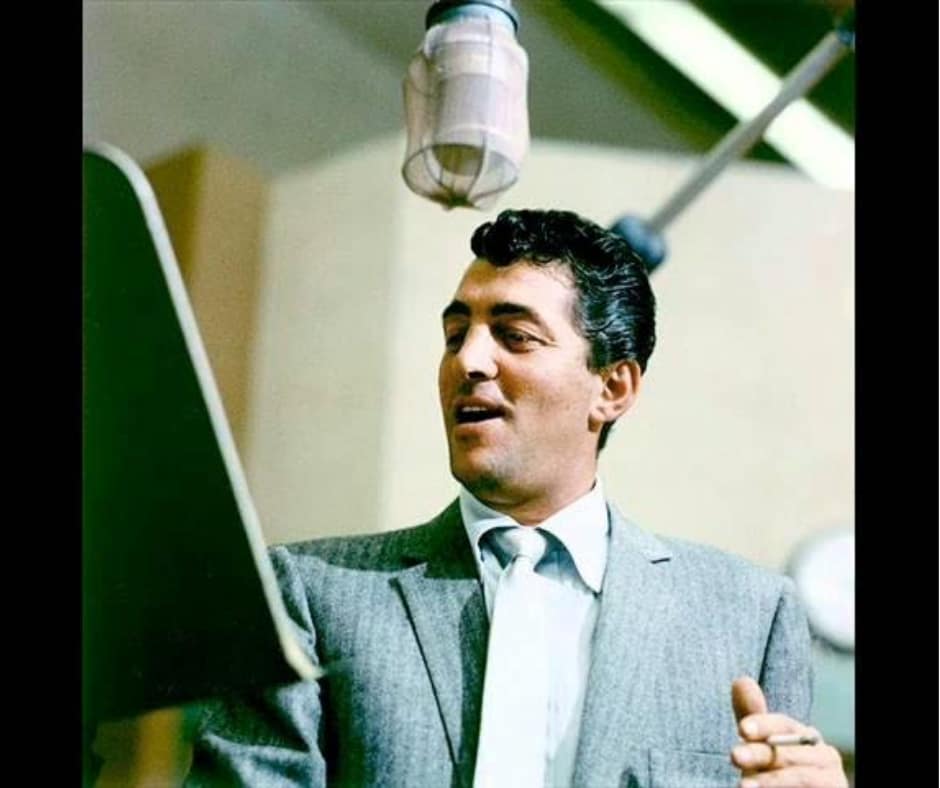
Dean Martin sings into a microphone

Late yesterday, I logged into LinkedIn and saw that I had been mentioned in a post about AI. This person was vocal in his ongoing resistance to AI and vented a bit at those who seem to be not thinking critically in their adoption of it. I was listed among those who he said that he respected, in terms of how we were approaching it, despite his disagreement. I felt honored to have been thought of in his mind as someone who is carefully considering how to use or not use it, depending on the circumstances.

That any part of my cognitive dissonance was showing up in anything that made the slightest bit of sense or left a positive impression had me go to bed feeling optimistic last night. When I woke up, his post was gone. He said he had regretted the tone of it and that his harshness wasn't representative of how he wanted to go into the new year. While I took his mention of my “learning out loud” as an enormous compliment, I recognize that I wasn't reading his message from the perspective of those not specifically named as among those he had respect for, but rather from the paradigm of those he was criticizing. His desire to consider how he hoped to frame the new year resonated, even if I did wish I had grabbed a screenshot of it to store in my encouragement folder.

As I consider what messages keep rising up in seemingly random places, perhaps as a clue to what to take into the new year, one theme emerges more than any other. I keep seeing references to the word ‘return' in podcasts I've been listening to, as well as in some reading I've been doing. On Episode 551, Peter Felten recommended the book Tomorrow and Tomorrow and Tomorrow: A Novel, by Gabrielle Zevin. The book sounded intriguing at the time, though I'm only just getting to it now, more than a year after our conversation. Such is the life of someone who has the privilege of hearing about wonderful books at least a few times each week. I don't want to give too much away, but I think the words from a New York Times review (gift link) give you a flavor without me spoiling anything:

Gabrielle Zevin’s novel “Tomorrow, and Tomorrow, and Tomorrow” is a love letter to the literary gamer… This is a story about brilliant young game designers — and Zevin burns precisely zero calories arguing that game designers are creative artists of the highest order. Instead, she accepts that as a given, and wisely so, for the best of them plainly are. “There is no artist,” one of her characters says, “more empathetic than the game designer.”

At one point, the book references a game that lets you skip back and forth between worlds via a code word. There are also some plot points in which the characters wonder what would have happened if they had made a different choice in their life, or even turned a few seconds earlier (giving me Sliding Doors vibes), or said how they really felt. I'm more than halfway through and keep wishing that they could return to themselves and to each other in ways they are ill equipped to do at this point. The song, Return to Me, has been playing in the soundtrack of my mind, throughout these micro-meditations I've been experiencing on the idea of returning.

The lyrics keep returning, as I consider those yearnings many of us have around our teaching and our life long learning.

Return to me
Oh, my dear, I'm so lonely
Hurry back, hurry back, oh my love
Hurry back, I'm yours

In Voltaire on Working the Gardens of Our Classrooms, James Lang invites us to return to the familiar cultivating and harvesting we have been doing in our teaching for longer than most of us have known about something called general artificial intelligence. He describes the anxiety and anger felt by many, at the invasion of our classrooms by this technology which threatens to circumvent the very core skills and wisdom we seek to develop through our teaching. One of the older family members in the Tomorrow and Tomorrow and Tomorrow describes her disappointment at the shortcuts that too many people take, when it comes to producing fabric using technology.

The character complains:

“Computers make everything too easy,” she said with a sigh. “People design very quickly on a monitor, and they print on some enormous industrial printer in a warehouse in a distant country, and the designer hasn't touched a piece of fabric at any point in the process or gotten her hands dirty with ink. Computers are great for experimentation, but they're bad for deep thinking.”

I'm never sure if I'm experiencing the recency effect, or if it really is more difficult to reach students than it used to be… GenAI make it simple to extrude text that meets explicitly stated criteria across many contexts and the idea of spending this one, precious life focused on the fight against that feels meaningless. Loneliness can sneak in, particularly when teaching primarily asynchronous courses, which I do about half the time.

Return to me
For my heart wants you only
Hurry home, hurry home, won't you please
Hurry home to my heart

Our son (L) got his first mobile phone for Christmas. This morning, we walked to the nearest Starbucks, which is just under two miles from our house. On the way, both kids participated in the augmented reality experience that is Pokemon. They used to play a little when the game first entered the scene on mobile phones, but there's something all together different about having your own phone, I fully realize. Our daughter used my phone and kept asking as we walked if I wanted her to catch Pokemon or do battle at some Pokestop. Lest you worry that we've lost our children forever to these digital worlds and that they will never return to us, last night gave me a hint that it is far more complicated than that.

L had been asking me to go for walks four or five times a day, as each time offered a new way to level up, or otherwise collect various types of Pokemon characters. When we got home from dinner at our favorite Japanese restaurant, he asked if I would walk and I reluctantly obliged. It was close to 9 PM and I was exhausted, especially after having gone to Jazzercise with my Mom that morning. However, I decided to go and packed the handwarmers he bought Dave and I for Christmas in my pockets. When we reached the point halfway down the steep hill near our house, I pulled out my phone to spin the “thingy” that lets you collect items such as berries and pokeballs (not sure that's their official name). It surprised me that L's phone remained in his pocket and I reminded him not to forget the loot off to his right.

“I didn't bring my phone,” he said, indicating that he just wanted to enjoy the walk with me. It was later in the walk that he lamented that his screentime limits don't let him use apps after the 9 PM cutoff. I had tried to give him the app-specific permission the other night on a walk and it hadn't worked. I'll never know if he really was looking forward to walking with me, or if this was some subversive plot to gain greater autonomy over his screen limits. Either way, it was a wonderful walk. I left with the familiar nuanced feelings of being a parent to two curious, kind, and smart kids.

My darling
If I hurt you I'm sorry
Forgive me
And please say you are mine

This semester, I was treated to some of the most unique writing I've read in a long while from any of the students taking classes with me. I teach a class called Personal Leadership and Productivity in which students set up a GTD (Getting Things Done) system during the semester and make use of the GTD Workflow Processing and Organizing Diagram quite a bit. I even used Canva's AI code generating feature to create this game to help support their learning about the GTD workflow diagram, since this is an often-confused concept from the course. One exercise from David Allen is the mind sweep, in which you use trigger lists to empty your mind. Allen tells us:

Your mind is for having ideas, not holding them.

Freeing our mind up for having ideas involves the mind sweep, so students go through the process about five times during the semester. Thus far, this seems an assignment that is likely not worth trying to get AI to complete it for them, so I rarely see what appears to be AI-generated text. However, I would describe much of what I see as varying in levels of transparency and detail. One student this semester had the most unique and delightful responses I've ever read. This is when I let you down easy, as I won't be sharing what she wrote here. I didn't ask her permission and doing so would have felt like I was taking advantage of all these treasures she shared with me.

Return to me
Please come back bella mia
Hurry back, hurry home to my arms
To my lips and my heart

This semester, I also added some times in which students had to sign up to meet with me and a small group of others from the class for what I referred to as the Personal Leadership Learning Labs. I later heard Meghan Donnelly on the Think UDL podcast call these assessments Conversational Quizzes and I like that name quite a bit. When I met with the student who brought me so much joy with what she shared in her mind sweeps, she told me how edifying my words had been to her, as she read my feedback on these assignments. She just happened to be the only student who had signed up for that particular time slot, so I was able to speak freely with her about some of the things she had shared.

I didn't want to scare her with my exuberance over her being so authentic in her writing and sharing with me in real time. It had just been so long since I had experienced in such a visceral way the highs and lows of college life. I missed the unpredictability and messiness of the writing I would see prior to the vast emergence of chat-based large language models. However, I also recall being frustrated in my younger days of teaching at what seemed to be careless grammatical errors and rushing through assignments. Now, I more enjoy seeing typos, though have to remind myself that most students are well aware that they can add in these clues of humanness in writing through their prompts to avoid being identified as having used AI in ways that don't live up to the expectations outlined in the assignment.

Ritorna me
Cara mia ti amo
Solo tu, solo tu, solo tu
Solo tu, mi amor

The more I reflect on these desires to return to another time when it was easier to connect with students, the more I'm convinced that it has always been incredibly challenging. Dave Cormier describes the longer arc of these challenges, which are just that much more visible through the rapid expansion of chat-based large language models in his post In Search of Quality Points of Contact with Students. He writes:

I think the crisis is 25 years in the making and AI is the lens through which can finally see the problem for what it is. We have spent 250 years (give or take) trying to find ways to scale up our education system to try and teach more people, often with fewer resources.

Cormier goes on to describe how important letting students know why we are asking them to learn things and also how vital engagement is… That's probably one of the reasons I felt so connected to the student whose mind sweep was rich with stresses, ideas, and celebrations of her own, unique life. And to why I understand the need to vent on social media, sometimes, even if we ultimately decide it isn't quite what we want to bring into the new year, after all.

Filed Under: Teaching

Digital Tools for Note Taking and PKM

By Bonni Stachowiak | December 17, 2025 | | XFacebookLinkedInEmail

Digital tools for note taking old fashioned typewriter in the background

My friend Kerry left me one of her infamous voice messages today. These are the fancy kinds that go beyond voice mail, but instead show up in my text messages app, only I get to hear her voice. Apple nicely transcribes these messages for me, too, though it cracks me up what it sometimes thinks Kerry says in these messages. This time, it thought that she called me “Fran,” but instead she was calling me, “friend.”

She's going to be on sabbatical next semester, so is wanting to get going with a note-taking application. In my over two decades in higher education, I've never had a sabbatical, but I imagine that if that time were to come, I would really want to get a jump on the organization side of things, as well. I've enjoyed following Robert Talbert's transparency around his sabbatical as he seeks to be intentional with his sabbatical, even subtitling one of his blogs: Or, how my inherent laziness has made me productive on a big project. He also suggests that we regularly carve out time to reflect on whether where we are spending our time and devoting our attention is in alignment with the things that are most important to us.

I like reading Robert's blogs in which he geeks out about the tools that he uses. Like me, he's evolved what applications he uses, most recently documenting the digital tools he is using for his own sabbatical project (part 1 and part 2).

Even though Kerry asked me about my suggestions for a note-taking tool, I can't help but zoom back out and make sure we both understand that bigger picture. I can't really answer the question as to giving my advice related to taking notes, unless I'm sure she's got the other vital pieces going that she will need to maximize her time. Not to mention, giving herself permission to wander and be entirely “unproductive” for at least some portions of this time away.

The Tools

For any sabbatical, I'm making an assumption that at least some portion of it will involve doing research and some writing.

References Manager

There are many good references managers out there. I haven't changed mine really ever, since landing on Zotero many years ago. I didn't have a references manager when doing my master's or doctorate, so when I talk about the power of one, I tend to sound like an old person talking about having to walk uphill to get to school, both ways, with a bit of “get off my lawn” sentiment, throughout.

Hands down, if you're going to research, or plan on doing some academic writing, it makes zero sense not to be capturing sources in a references manager. Off the top of my head, be sure you know how to:

  1. Add sources using the Zotero extension installed on your preferred browser. Zotero must be running in the background as an application, at least for how I have things configured on my Mac, but it will nudge you, if you forget.
  2. I choose to check each source, as I add it, though this isn't necessary. Zotero is great because much of the time, it will grab the metadata associated with the item you have saved, including the author's name, date of publication, URL, etc. However, sometimes websites don't have their information set up such that some of the information gets missed. I would always way rather just add it, manually, in the moment I'm already on that page. Others just figure they'll wait to see if they actually wind up citing that source.
  3. Cite sources within your word processor, which for me is Microsoft Word. I use the toolbar for Zotero when I need to cite a source, as I'm writing, I easily search for it, and then press enter and away I go.
  4. Create a bibliography using Zotero. This would have been a game changer, had I had this tool when I was in school. Some years back, they made this auto-update so each time you add a new source, your references list automatically updates, as you go. If you delete a sentence containing a citation, it is removed from your references. So cool.

Digital Bookmarks

For any other type of digital resource (ones I doubt I'll wind up citing in formal, academic writing), I save them to my preferred digital bookmarking tool: Raindrop.io. I can't even imaging doing any computing in any context without having a bookmarking tool available to save things to…

I've got collections (folders) for Teaching in Higher Ed, AI (this one is publicly viewable as a page, and as an RSS feed), Teaching, Technology, and ones for specific classes, just as an example. Take a look at my Raindrop blog post, which talks more about why I recommend it and how I have it set up to support my ongoing learning.

Note-Taking

Now we're finally getting around to Kerry's original question. I had to first talk about a references manager and digital bookmarks, since I wanted to ensure that she will have at least Zotero (or similar tool) for the formal, academic writing, including citing sources and doing the necessary sense-making required for academic writing.

Chicken Scratch (Quick Capture) Notes

There's a place in many people's lives for quick-capture notes. You're talking to someone and they mention something you want to remember. You don't first want to figure out where to put that information; you just want to grab it, like you might a sticky note in an analog world.

Hands down, for me, that app is Drafts.

At this exact moment, I would consider myself a “bad” Drafts user. I've got 172 “chicken scratch” notes sitting, unorganized. That said, I don't put anything there that it would be terrible if the notes got “lost” from my attention for a while. These past three months, I was a keynote speaker at a conference in Michigan, and did a pre-conference workshop for the POD Conference in San Diego. Being on the road means lots of opportunities for me to hear about something, or have an idea, that I just want to quickly capture in that moment, and get back to, later.

I submitted grades late last night, so today means getting back to a more regular GTD weekly review, at which point I'll be emptying my inboxes, including my Drafts inbox. If you're curious about the process I use to accomplish this, I couldn't recommend more another post by Robert Talbert: How and why to achieve inbox zero.

One other thing I'll mention about Drafts is that it is incredibly easy to get started with… and once you're up and running, there are a gazillion bells and whistles you could discover, should you want to get even more benefit out of it.

One fun thing I enjoy is using an app on my iPhone and Apple Watch (via a complication) called Whisper Memos, which lets me record a voice memo and then receive an email with my “ramblings turned into paragraphed articles.” However, instead of cluttering up my email inbox, I have it set up to send an email to my special Drafts email, which then sends the transcription (broken into paragraphs, which I find super handy) to my Drafts inbox, for later use.

I also keep a Drafts workspace (not in my inbox) dedicated just to my various checklists, such as packing lists, a school departure checklist (which we haven't had to use in a long while, since our kids keep getting older and more independent), password reset checklist (where are all of the different apps and services I need to visit, anytime I get forced to reset my password for work), and a checklist for all the places I have to change my profile photo, anytime in the future I get new headshots or otherwise want a change.

Primary Note Taking Tool

Now we're finally to the real question Kerry was asking: What app should she use to take notes? Well, as I mentioned, I actually have a fair amount of them, but since I'm at least attempting to stay focused on the sabbatical needs, I had better get back to it now.

My primary notetaking tool these days is Obsidian. Robert Talbert again does a great job of articulating how and why he uses Obsidian. A big driver for me is that if I ever want to switch things up down the road, I don't have to worry about how to get stuff out of Obsidian. As it is just a “wrapper” or a “view” of plain text files that are sitting on my computer. If they ever decided to jack their users around by significant increases to their pricing model, without the added value one might expect, I wouldn't be locked in at all. There are plenty of other note-taking apps that would know how to “talk” to and display the plain text files on my computer in a similar fashion as Obsidian.

That said, some people might be intimidated by becoming familiar with writing using Markdown, which is the formatting used in plain text files. Since the text is “plain,” that means you can only make something bold by using other indicators that a given word or phrase is meant to be bold. However, I find you could get up and running with the vast majority of Markdown in less than five minutes, such that this isn't as big a barrier as it might seem.

As an example, I don't have to type the formatting for bold, I can just high light those words and then press command-B on my keyboard, same as I would in any other writing context. Headings are just indicated by typing the number of pound signs at the start of a line. So the heading for this section of this post required four number signs, because it is a heading 4 (H4), and then I just press space and type the subheading, like normal.

That said, you couldn't go wrong with Bear, or Craft, if you aren't as concerned about being able to get stuff easily out of them, should you ever change note taking tools in the future.

Getting Started

The tool we select is important, yes. But more important is how we set them up to help us achieve the intended purpose of wanting a note taking tool in the first place.

Daily notes. I am not as disciplined about this as I once was, but hope to get back to doing daily notes. Carl Pullein talks about the history of the “daily note” and how to use them to keep yourself organized and focused.

Meeting notes. I am close to 100% disciplined about taking notes during meetings (really helps me stay focused, as otherwise my mind can wander quite a bit), or when attending conferences or webinars. I keep a consistent naming convention for these notes, as follows: yyyy-mm-dd-meeting-name and then move the note to a dedicated folder in Obsidian. I only move the note into the follow after I have reviewed it for any “open loops” and then captured those in my task manager.

Other writing. I've got folders for other types of writing that I do, as well. To me, the key is having a “home” for where things belong and to be super disciplined about consistent naming conventions, so I don't get overwhelmed with the messiness of the creative process.

That said, Kerry will first want to play around with any note taking tool she is considering just at the note level, before she worries about how she will organize things. Otherwise, it is way too easy to get overwhelmed and not cross over the finish line of getting started using a note taking tool, consistently.

The University of Virginia Library offers ideas for how to organize research data across all disciplines. Don't miss the part where they say to write down your organization system before you start, or in my experience, it is too easy to forget how I set things up in the first place.

Filed Under: Personal knowledge mastery

  • Page 1
  • Page 2
  • Page 3
  • Interim pages omitted …
  • Page 68
  • Go to Next Page »

TOOLS

  • Blog
  • Podcast
  • Community
  • Weekly Update

RESOURCES

  • Recommendations
  • EdTech Essentials Guide
  • The Productive Online Professor
  • How to Listen to Podcasts

Subscribe to Podcast

Apple PodcastsSpotifyAndroidby EmailRSSMore Subscribe Options

ABOUT

  • Bonni Stachowiak
  • Speaking + Workshops
  • Podcast FAQs
  • Media Kit
  • Lilly Conferences Partnership

CONTACT

  • Get in Touch
  • Support the Podcast
  • Sponsorship
  • Privacy Policy

CONNECT

  • LinkedIn
  • Instagram
  • RSS

CC BY-NC-SA 4.0 Teaching in Higher Ed | Designed by Anchored Design